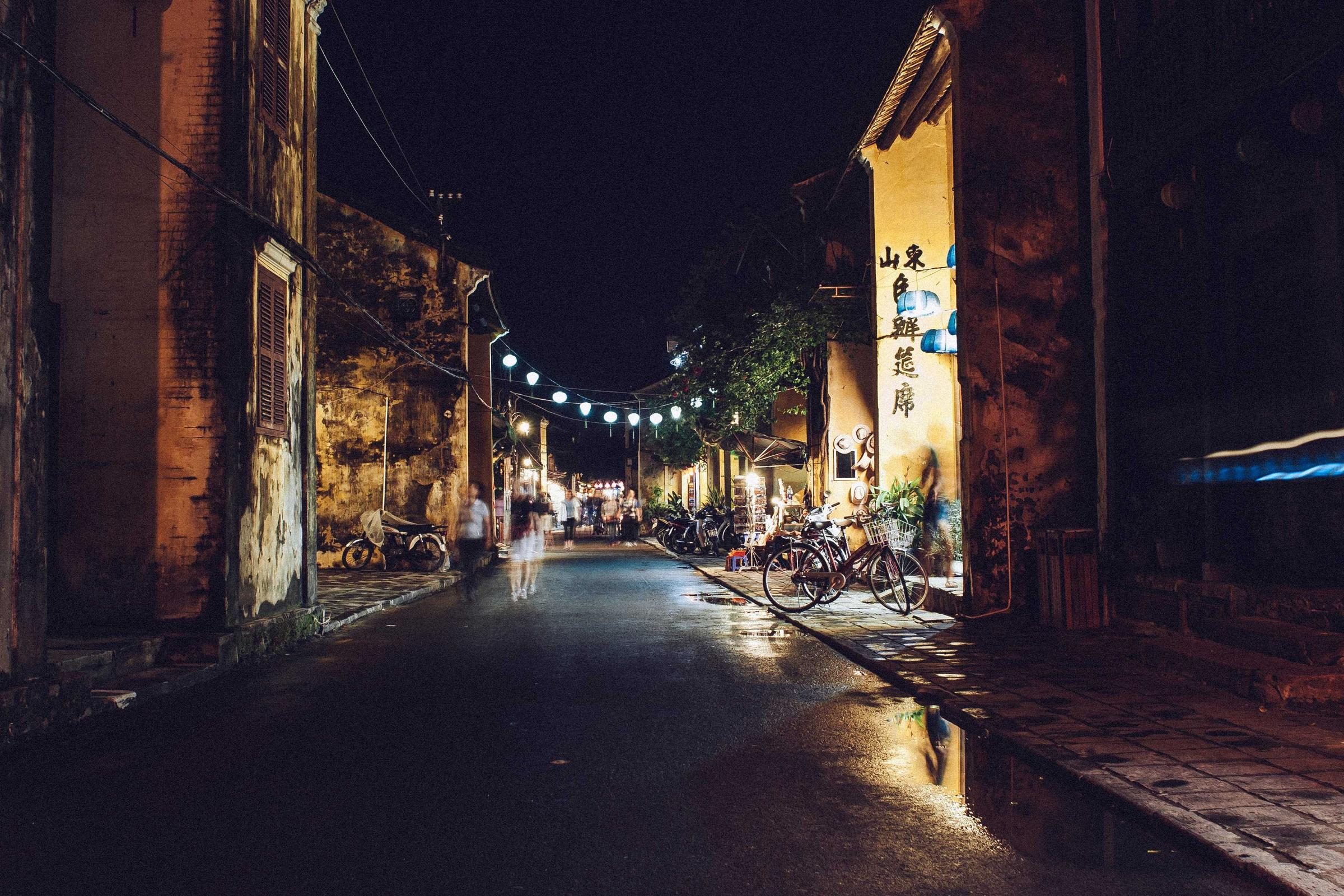
Photo: Rafael Fabricio / Unsplash
At ten past midnight the last of the office lights on Carver Street go out in a ragged wave, floor by floor, and for about four minutes the block is as dark as it ever gets. Then the night crew arrives. A van with a ladder rack. A woman on a cargo bike with a toolbag the size of a suitcase. Two men in hi-vis who have done this so many times they don’t speak until the second coffee.
Nobody notices the people who keep a city lit, and that is the point. Their work is measured in the absence of complaints: the streetlamp that didn’t flicker, the crossing signal that changed on time, the subway entrance that was bright enough to feel safe at three in the morning. When they do their jobs well, they disappear.
The four-minute dark
“People think the lights are on a timer and that’s it,” says Dolores Reyes, who has run a municipal lighting crew for nineteen years. “There’s a timer. There’s also a guy who goes out in the rain to find out why the timer lied.” She keeps a notebook of every fault she has ever fixed. It runs to eleven volumes.
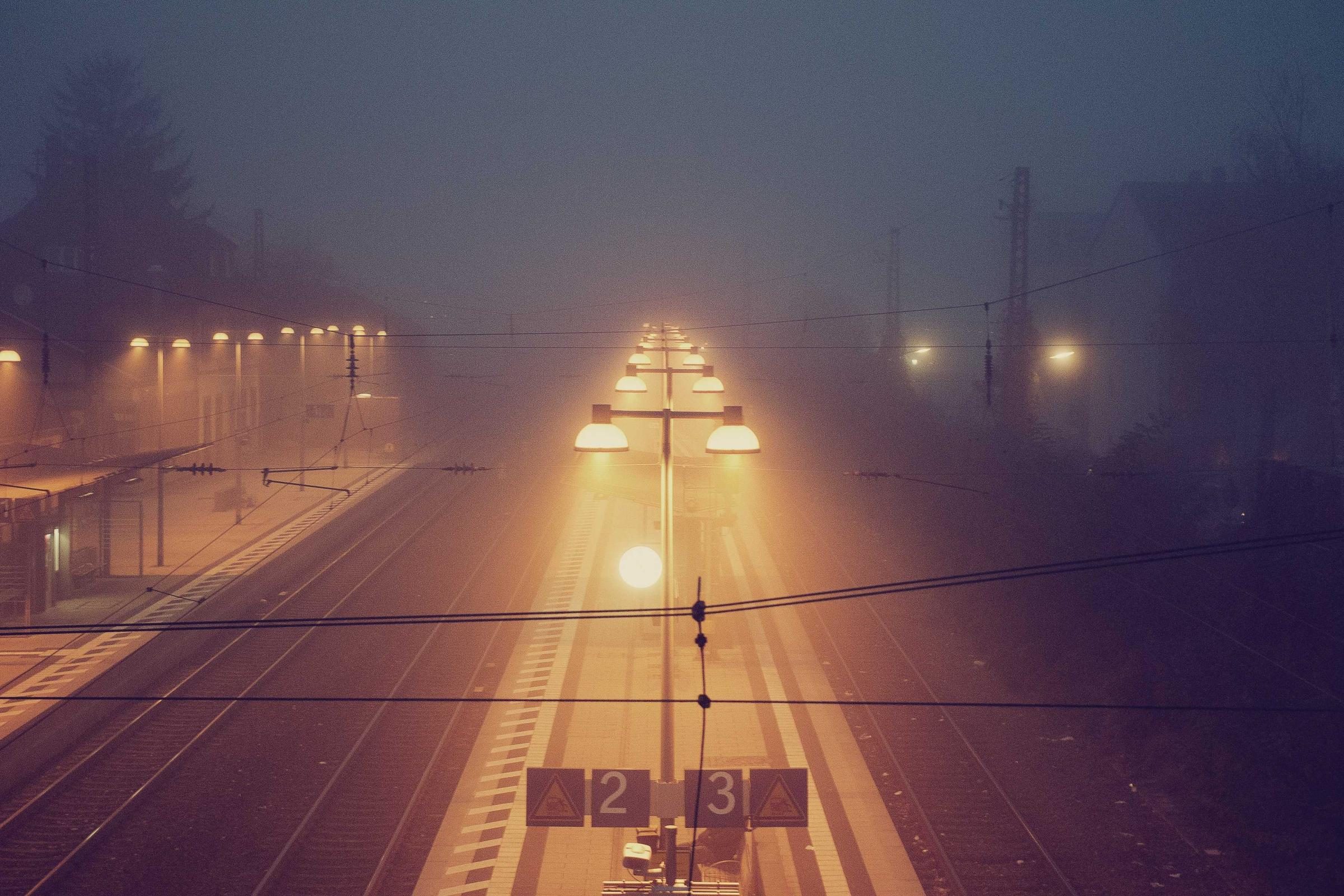
Her crew covers a patch of the city that holds about forty thousand fixtures. On a quiet night they replace a dozen lamps and chase down two or three wiring faults. On a bad night, after a storm, they work until the sky starts doing their job for them.
“When we do it right, nobody knows we were there. That’s the whole job description.”
The switch to LED has changed the work more than anyone expected. The new lamps last longer, but when they fail they fail strangely, flickering in patterns that drive the residents above them to call the city at four in the morning. Reyes has learned to read the flicker like a doctor reads a cough.
Bridges and blackouts
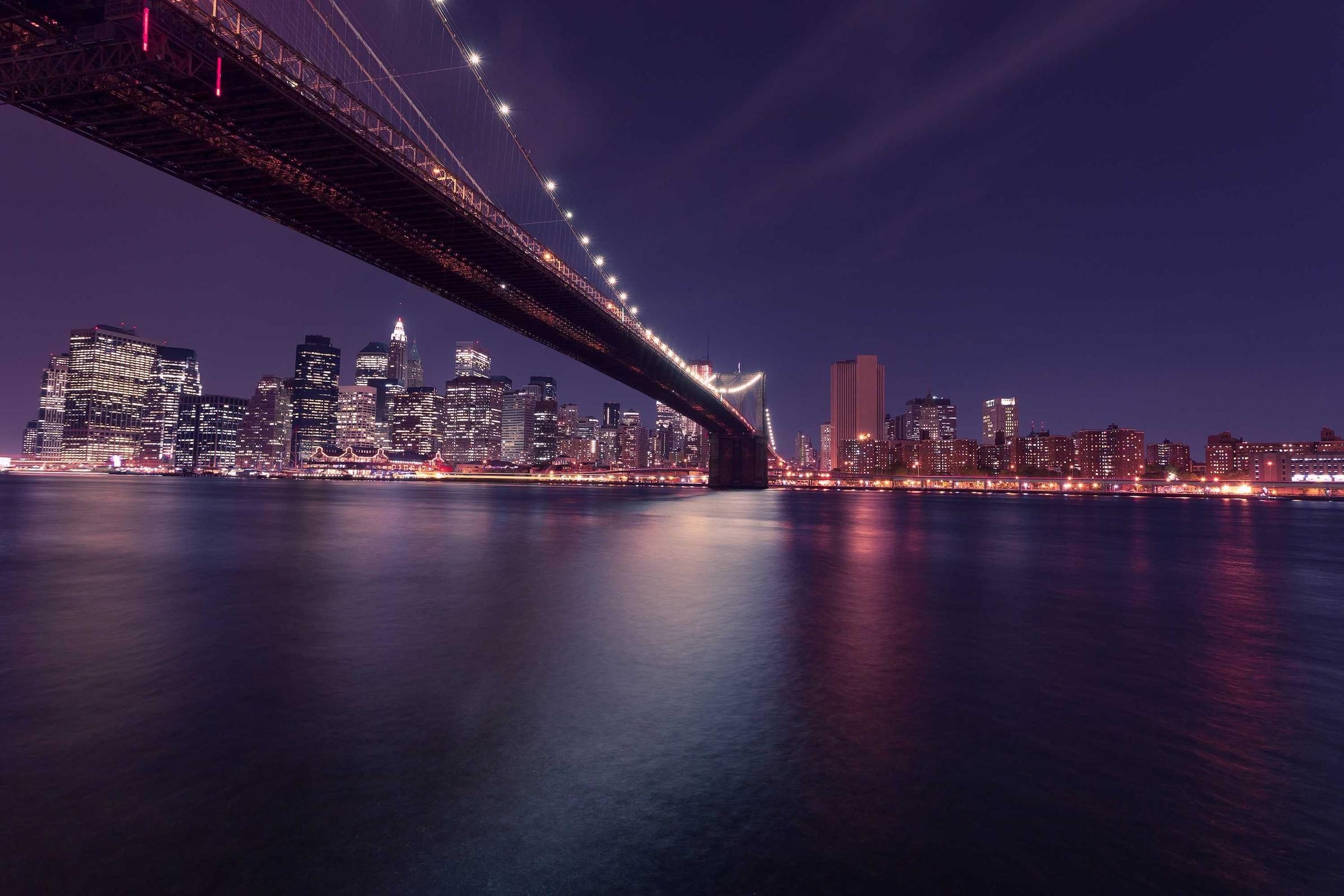
The bridge is the crew’s favourite job and nobody else’s. Two hundred feet above the water, in wind that takes the words out of your mouth, they work along the cable lights one by one. From up there the city looks finished, like a model of itself. “It’s the only time I see the whole thing,” Reyes says. “The rest of the time I’m looking at one lamp.”
By five the crew is back at the depot. The vans are hosed down, the notebook gets its entries, and the first bakery on the corner has its lights on — lights that, for once, are somebody else’s responsibility. Outside, the city is waking up to a morning it will assume simply happened.